This is the first newsletter I am sending from SenseiSoloDev. I promised unfiltered opinions and real updates on my games, and this week handed me both on a plate.
The leaks I do not care about
This week, the industry cannot stop talking about the new GTA VI leaks. I have obviously seen them, but as a player, I could not care less. As long as nobody leaks major plot details, I feel no need to avoid a few images from a game I want to discover when it is finished.
What I have not been able to stop looking at are the numbers behind a much smaller release.
More than 250,000 people fishing
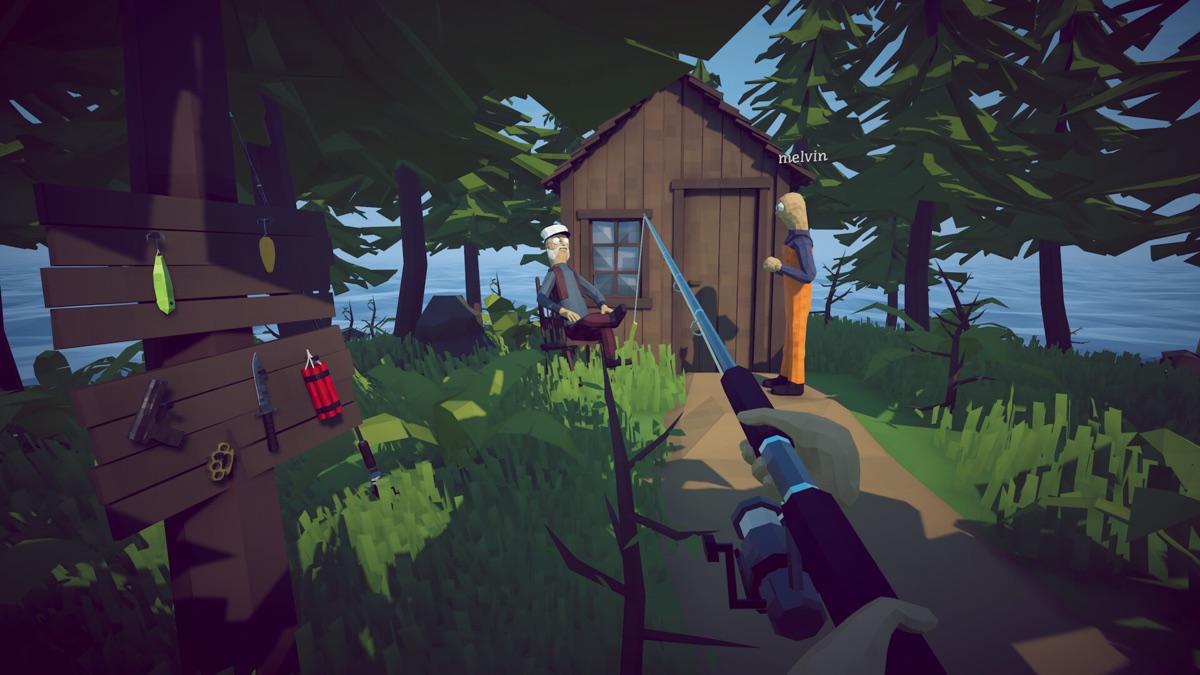
How to Fish launched on Steam on 20 August. It is a four-player co-op game where you can fish, shoot the fish, fight creatures, pull off trick shots, and put your catch on the line.
In its first few days, it surpassed 250,000 concurrent players.
I have not played it, so I am not going to pretend I know whether it is good or bad. At first glance, it looks like another cheap co-op game built around clumsy physics, absurd situations, and moments perfectly suited to becoming clips. A formula that has become increasingly easy to recognise since PEAK.
Some people call this kind of game friend slop: cheap, cooperative, easy-to-understand games built around the chaos that comes from playing with friends.
The community of players whose tastes are the polar opposite of mine is clearly getting bigger.
The problem is not How to Fish
It understands what a huge part of the audience wants right now: something cheap, immediate, easy to explain, fun with friends, and capable of generating stories from the very first session.
The problem is not that it exists or that it is successful. The problem is the lesson it leaves for everyone else and how many more shitty clones we will have to put up with.
Every new phenomenon like this proves that a simple idea, four players, unpredictable physics, and functional visuals can generate more conversation than projects built over several years by enormous teams.
The middle ground tends to disappear. We will have to choose between the latest AAA release and whichever friend slop game is currently in fashion.
I do not mind players supporting How to Fish. What worries me is that they support it far more than considerably more ambitious games, and that the industry interprets that difference as the future we all want.
The uncomfortable part
And here comes the contradiction: after writing all of this, I started a much smaller game this very week.
I had almost finished the first Clicker Hacker prototype. I had reached the point where I could finally judge what actually mattered.
The problem was much more serious than any bug: it was boring.
I could have kept adding content on top of the same foundation and pretended everything was going according to plan. I could also have finished and released it simply to meet my goal of launching a video game this year.
But releasing a boring game just so I can say I released one does nothing for me.
I have decided to expand the scope of Clicker Hacker with several ideas I had set aside for later. I no longer see them as optional additions: I think they are necessary if the core of the game is going to become something I would actually want to play myself.
Clicker Hacker will continue with a larger scope than I originally planned, but this change makes it very difficult for it to be the game that fulfils my goal of releasing something this year.
MyFirstGame
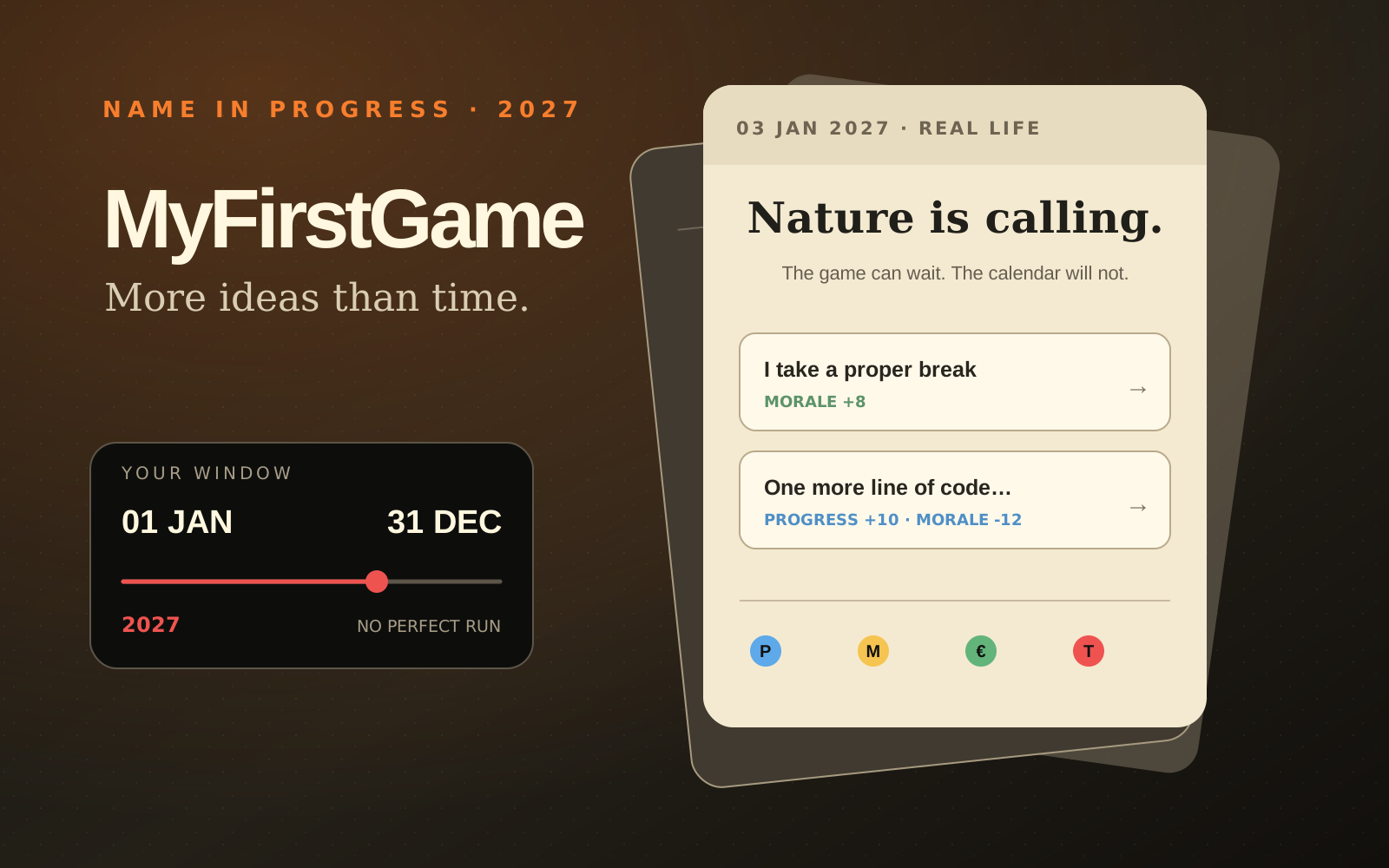
That is why I have started a new project under the working title MyFirstGame.
It will be deliberately small, with a mechanical structure similar to the Reigns series: quick decisions, visible consequences, and runs that do not need an enormous explanation before you can begin.
The most direct inspiration comes from a fairly unknown mini-game called Unicorn Startup Simulator (it seems they removed it). I do not want to copy it, but I do want to start from that simple way of presenting decisions and build something I can finish, publish, and use to learn the entire process.
That is also the point. I do not want to release something this year because anyone is waiting for my first game. I want to do it because finishing a project, uploading it to a store, receiving feedback, and maintaining it after launch are all parts of development I cannot learn by accumulating prototypes.
The irony is not lost on me: I am criticising the success of cheap, simple games while starting a much smaller one myself.
The difference I want to prove to myself is that simple does not have to mean derivative, lazy, or disposable.
Before I go
I have nothing against How to Fish. In fact, its creators have achieved in a few days what most developers can only dream of.
What I still do not know is what its success says about the games we will be playing five years from now.
Where do you draw the line between a simple game with a brilliant idea and a cheap product designed solely to go viral?
Gamescom starts next week. It will be interesting to see how many games try to chase the exact friend slop formula that is so fashionable right now and that I hate so much.